Seasonal workforce swings
Hiring surges every spring and mass layoffs every fall create a cycle of lost training investment and recurring onboarding costs that never compound.

landscaping workforce design
Jo from maps where crew leads lose capacity to field work — then builds a seasonal structure that keeps them leading.
Seasonal ramps hit every spring with no repeatable playbook. Crew leads absorb field tasks because there are no formal role boundaries, routes get planned on the fly, and equipment falls through the cracks. The result is burned-out leads, high seasonal turnover, and margins that shrink as you grow.
Jo from separates crew leadership from field execution, builds structure around equipment and route management, and gives operators a repeatable way to scale crews without scaling chaos.
01
map where crew capacity is lost
Jo from shows where role confusion between crew leads and field crews drains capacity, and where seasonal chaos creates the biggest cost leaks.
02
plan crew lead and field roles
Define crew lead and foreman responsibilities separate from field execution. Build a crew structure that clarifies who leads, who executes, and who manages equipment and routes.
03
launch and measure what matters
Track crew productivity, route efficiency, seasonal retention rates, and margin per job.
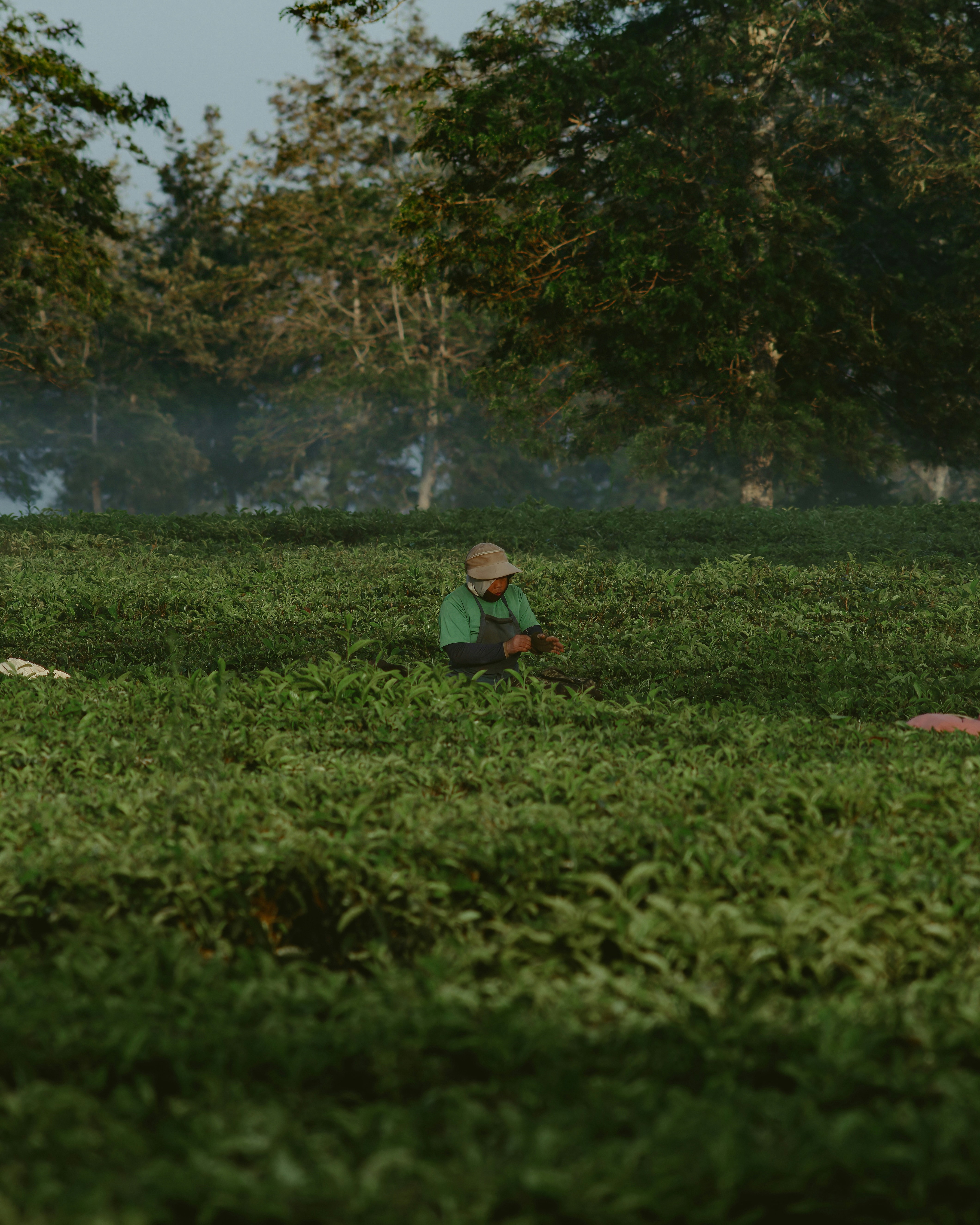

Landscaping operators need to stop rebuilding their workforce every March. The companies that scale are the ones that define roles clearly, plan routes efficiently, manage equipment systematically, and retain seasonal workers year over year.
Every crew lead doing field work is a crew that can't grow. Every seasonal worker who doesn't return is a hiring cost you pay twice. Structure is the fix.


Hiring surges every spring and mass layoffs every fall create a cycle of lost training investment and recurring onboarding costs that never compound.
Without clear role separation, crew leads absorb mowing, trimming, and installation work on top of scheduling, client communication, and crew oversight.
Most landscaping companies have zero formal role definitions. Crew lead, foreman, and field crew responsibilities blur together, making it impossible to train, promote, or hold anyone accountable.
Crews lose hours each week to poorly sequenced routes, unnecessary windshield time, and last-minute schedule changes that ripple across the entire day.
No system tracks which crew has what equipment, when maintenance is due, or how utilization maps to job profitability. Downtime and replacement costs stay invisible until they spike.
Adding a new crew means cloning a lead’s tribal knowledge. Without documented processes and defined roles, every expansion is a gamble on finding another unicorn crew lead.
300%
seasonal hiring swing spring vs. winter
45%
of crew lead time spent on field tasks
Move field execution off crew leads so they can focus on scheduling, client relationships, quality checks, and crew development instead of picking up a mower themselves.
see pricing →Design repeatable onboarding, role clarity from day one, and retention incentives so seasonal workers come back year after year instead of disappearing in October.
try demo →25%
of route time lost to poor planning
70%
of seasonal workers don't return next year
How seasonal hiring swings, role confusion, and missing crew structure create compounding workforce risk for landscaping operators.
Read guide →See how Jo from maps crew roles, route efficiency, equipment utilization, and seasonal retention to find the real constraint.
Read guide →Proof points connecting crew architecture, seasonal retention, route optimization, and margin recovery.
Read guide →
answer first
Jo from is a Human + Machine staffing company for landscaping operators. The diagnostic identifies where crew leads are absorbing field tasks and seasonal ramps are failing, then designs a crew structure that keeps field leadership human while machine execution supports routing, scheduling, and equipment tracking.
Because adding headcount without crew structure just gives your leads more people to manage while they still do field work. Jo from separates leadership tasks from execution tasks so adding crew members actually reduces lead workload instead of increasing it.
Retention starts with onboarding structure, clear role expectations from day one, and a return incentive program. Jo from designs seasonal ramp playbooks that make workers feel like they belong to a system, not a scramble.
Route efficiency and equipment utilization are workforce design problems, not just logistics problems. When crew roles are clear and routes are sequenced properly, you recover 15-25% of lost field time and extend equipment life through systematic tracking.
Documented role definitions, a crew lead development path, standardized route playbooks, and equipment allocation protocols. Jo from builds the structure so scaling a crew is a process, not a personality dependency.
Last updated: 2026-05-20
next step
See where crew capacity, role confusion, and seasonal churn are costing you margin.
© 2026 J0 from Corp. All rights reserved.
J from
from